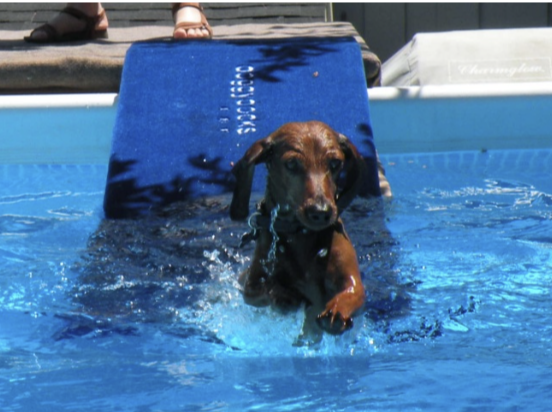
Picture your dog launching off a dock with an ecstatic pounce, spray fanning out in every direction as they race back for another round. The playful yips and wet fur remind us why time by the water is so rewarding for both pups and their people.
But beneath every joy-filled splash lie hidden hazards—slippery surfaces, unexpected currents and fatigued muscles can catch even seasoned swimmers off guard. Before you throw that next ball, arm yourself with eight expert-approved strategies that turn water play into a secure adventure. You'll learn how to assess swimming abilities, select buoyant, high-visibility gear, create easy entry and exit points (including a handcrafted floating ramp) and much more. Read on to make your next pool, lake or dock session pure, worry-free fun.
1. Assess Your Dog's Swimming Abilities
Not every pup is born to be a Fido of the sea. Swimming requires coordination, strength and confidence—qualities that can vary wildly from one breed or personality to the next. Before letting your dog splash freely, take a moment to understand what makes them comfortable (or anxious) in the water. By gauging their natural aptitude, you'll set your canine up for safe and enjoyable aquatic adventures.
Why Some Dogs Need More Practice
Body shape and breed play a big role in buoyancy and paddling style. Heavy-chested dogs like Bulldogs and Pugs sit lower in the water, making it harder to keep their noses above the surface. Short-legged breeds such as Dachshunds or Corgis may struggle to generate enough lift with each kick. On the behavioral side, a dog that's never been near a lake or pool might freeze at the shoreline rather than dive right in.
Strong swimmers:
- Labrador Retriever
- Portuguese Water Dog
- Newfoundland
Breeds needing assistance:
- Bulldog
- Pug
- Dachshund
- Basset Hound
Temperament matters too. A nervous or high-strung dog may hesitate even if their body type is water-friendly. Gradual exposure and positive reinforcement can help turn hesitation into happy paddles.
For first trials, a small kiddie pool or a calm backwater cove works wonders. Celebrate every successful paddle with a favorite treat or toy to reinforce positive associations.
How to Test Swimming Skills Safely
- Find a gentle entry point—waist-deep water along a sandy shoreline or shallow end of a pool.
- Secure your dog in a well-fitting harness and leash to prevent sudden submersions.
- Let them step in at their own pace. Watch for smooth, forward paddling versus sideways drifting or frantic splashing.
- If they struggle, support their belly from beneath to help them find a comfortable rhythm.
- Keep initial outings brief—5 to 10 minutes of swimming followed by a rest—so muscles don't tire too quickly.
With each short, supported session, your dog's confidence and competence will grow—paving the way for longer, self-assured swims down the line.
2. Always Supervise Your Dog Near Water
No matter how strong a swimmer your dog is, unexpected challenges can arise in seconds. Vigilant supervision keeps splashing sessions joyful rather than alarming, and ensures you spot trouble before it escalates. By establishing clear watch protocols, you'll protect your pup from everything water has to throw at them—from sudden fatigue to hidden hazards.
Dangers of Unattended Water Play
- Fatigue and cramps: Even muscular breeds can tire quickly, leading to panicked paddling.
- Hidden drop-offs: Sandbars or submerged ledges can send a dog from shallow to deep in an instant.
- Sudden waves or wakes: A rogue boat wake can knock a dog off balance or drag them under.
- Environmental surprises: Underwater debris, strong currents or slippery edges may spook or injure.
Imagine you've tossed a favorite toy just beyond a sandbar. Your Labrador surges forward, then suddenly finds itself unable to touch bottom. In the blink of an eye, what started as a fun retrieve becomes a frantic struggle. This kind of scenario underscores how quickly unsupervised play can turn risky—even in calm waters.
Setting Up a Safe Watch System
Creating a reliable watch system takes just a bit of planning—and it pays off in peace of mind.
- Designate a "water watcher" for each dog. Assign one adult whose sole job is to keep eyes on that pup's every move.
- Equip your team with waterproof whistles or walkie-talkies to signal if help is needed.
- Rotate watchers every 20–30 minutes to prevent lapses in attention.
| Environment | Supervision Ratio |
|---|---|
| Calm, backyard pool | 1 adult : 2 dogs |
| Lake shore with mild current | 1 adult : 1 dog |
| Open water (river, ocean, boat) | 2 adults : 1 dog |
By sticking to these ratios and tools, you'll catch early warning signs—be it a dog drifting off course or hesitating at a step. A well-organized watch system is the simplest way to keep my dogs (and yours) safe, happy, and ready for the next fetch.
3. Equip Your Dog with the Right Safety Gear
Before your dog hits the water, the right safety gear can mean the difference between a carefree splash and a dangerous emergency. Investing in buoyancy aids and high-visibility accessories not only boosts your pup's confidence but also gives you peace of mind. Proper gear isn't just a precaution; it helps dogs swim more naturally, prevents panic, and lets you intervene quickly if something goes wrong.
Whether you're heading to a calm backyard pool or the open sea, equipping your dog with tried-and-true safety items ensures every romp in the water stays fun—and above all, safe.